
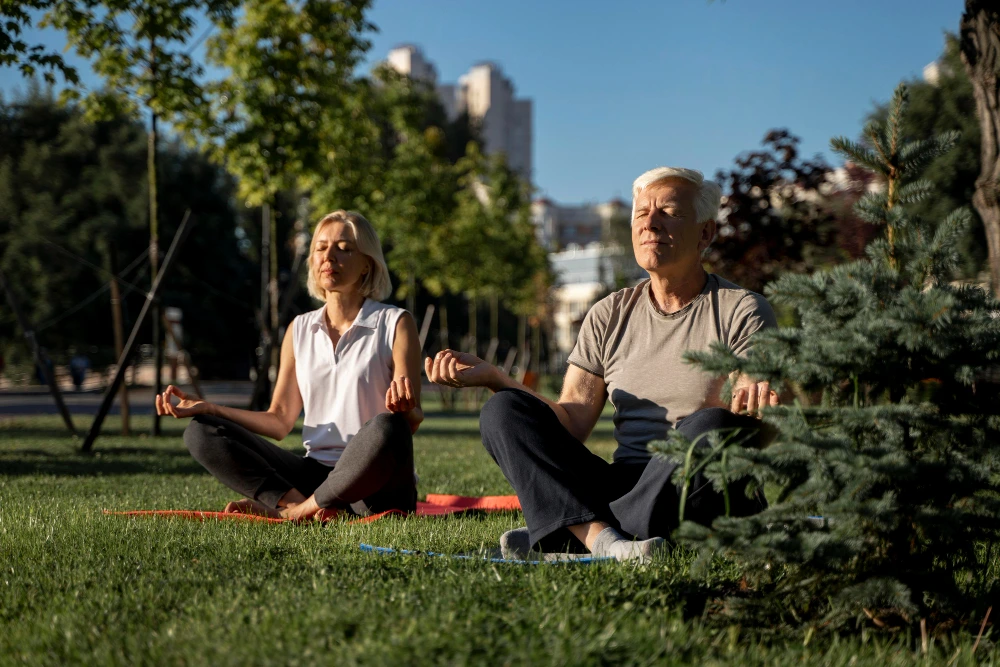
Stress doesn’t always scream loudly. Sometimes it shows up as a fast heartbeat, sweaty hands, or a heavy feeling in your chest. These signs are your body’s way of saying “slow down.” Many people ignore them. But the truth is, your heart needs rest too. That’s where mindfulness stress reduction and relaxation techniques for stress can help in a powerful way.
Letting Go Feels Hard When You Don’t Know How
You may want to feel calm, but your mind won’t stop racing. That’s normal. But learning how to relax your mind from stress is a skill, just like learning to ride a bike. And once you know it, you can return to it anytime.
Let’s look at simple, proven stress management techniques that actually help your heart and your mood.
Deep Breathing: The Simplest Way to Soothe Your Heart
The moment you feel anxious, stop and breathe deeply. Deep breathing for stress relief can shift your body from panic to peace in minutes.
Try this simple method:
- Inhale slowly through your nose for 4 counts
- Hold the breath for 4 counts
- Exhale gently through your mouth for 6 counts
- Repeat this for 5 rounds
This helps your body slow down, which helps your heart relax too.
Also Read: Preventive Cardiology: Strategies for a Healthier Heart and a Longer Life
Meditation Brings Peace When Life Feels Loud
Practicing meditation for heart health isn’t about being perfect. It’s about creating space in your mind. Even 5 minutes of quiet sitting can ease tension and help your heart stay calm.
Some ways to try meditation:
- Sit in silence with eyes closed
- Focus on your breath going in and out
- Repeat a calming word like “peace” or “calm”
- Let thoughts come and go without judgment
- Try guided meditation apps if silence feels hard
You’ll be surprised how strong your heart feels after stillness.
Body and Heart Feel Stronger with Yoga
You don’t need to be flexible to benefit from yoga. Basic movements combined with calm breathing support both yoga and heart health.
Yoga helps by:
- Lowering blood pressure
- Improving blood flow
- Reducing chest tightness
- Easing stress from the body
- Boosting emotional balance
Even light stretching in the morning can make a difference.
Also Read: The Role of Nutrition in Heart Health: Building a Heart-Healthy Diet
Try These Quick Fixes When Anxiety Hits Fast
We all have moments when stress sneaks up. That’s when quick relaxation techniques for anxiety are lifesavers.
Here are easy options to carry in your pocket:
- Hold an ice cube in your hand to break the panic cycle
- Rub lotion slowly into your hands with focus
- Sip warm herbal tea
- Step outside and look at the sky for 2 minutes
- Use a calming scent like lavender
Each of these types of relaxation techniques gives your heart a break, even if only for a few moments.
A word from the Doctor —
Doctors now include relaxation techniques in psychology and therapy because they lower stress, reduce anxiety, and protect your heart. If you feel guilty for resting, remember this: you’re not stopping, you’re healing.
These are key relaxation techniques for anxiety and heart support:
- Progressive muscle relaxation (tighten then relax each muscle group)
- Guided imagery (picture a peaceful place in your mind)
- Gentle music and sounds
- Slow walking without distraction
- Talking to someone you trust
All of these help with how to relax your mind and body from anxiety and give your heart a healthy pause.
So, get started by contacting us right away.
FAQs
1- How can I start mindfulness stress reduction at home?
Sit quietly, focus on your breath, and allow thoughts to pass without holding them. Just start with 5 minutes.
2- What are the best quick relaxation techniques for anxiety?
Holding ice, sipping warm tea, or listening to soft music are fast ways to calm yourself.
3- How does deep breathing for stress relief help the heart?
It slows your heart rate, reduces blood pressure, and helps you feel more calm and in control.
4- Is yoga good for my heart even if I’m not flexible?
Yes. Simple stretches and breathing help improve yoga and heart health for all levels.
5- What is progressive muscle relaxation and how does it work?
It means tensing and then relaxing each muscle group slowly. It lowers tension and calms the mind.