
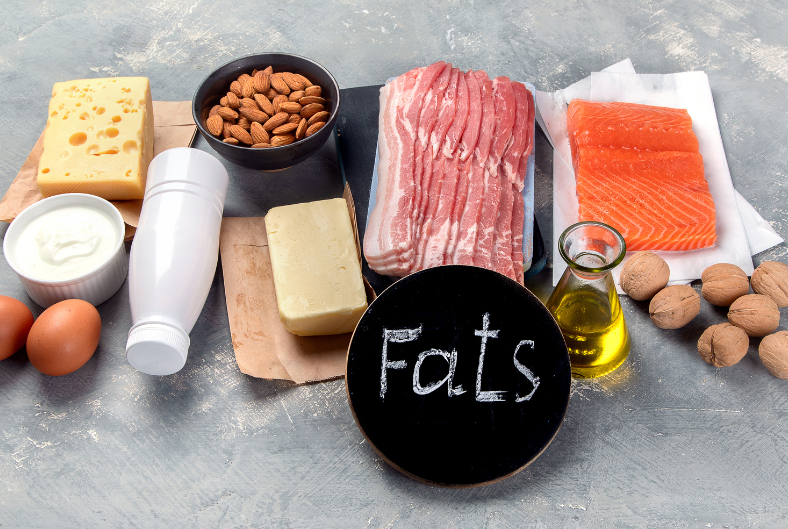
When it comes to healthy eating, many people are confused about fats. Some think all fat is bad. Others say fats are fine as long as you’re not gaining weight. The truth is somewhere in the middle. Not all fats are the same, and some actually protect your heart while others can harm it. Let’s understand the difference, using 2025 recent stats and clear facts, so you can make better choices every day.
Why Fats Matter in a Healthy Diet
Fats are a natural part of food. They give us energy, help absorb vitamins, and keep our bodies working well. But not all fats are good for your heart. Choosing the right ones is key to a healthy diet, especially if you’re following a diet for heart disease or just want to protect your heart.
A balanced diet includes fat, but only the right types and the right amount.
The Real Stats Behind Fat Intake in the US
Here are the most recent statistics and facts about dietary fats and heart health in the United States as of 2025.
The average American adult gets 35.6% (men) and 36.1% (women) of their daily calories from total fat intake.
Saturated fat intake in the US remains above current recommendations, with the average intake estimated at 11% of daily calories.
The American Heart Association and the 2025 Dietary Guidelines recommend limiting saturated fat to <10% of total daily calories (about 13 grams per day based on a 2,000-calorie diet).
Trans fat consumption has decreased by about 58% in the US between 2003 and 2012, largely due to food industry reformulations.
The recommended intake for unsaturated fats (heart-supportive fats like monounsaturated and polyunsaturated) is about 20–35% of daily calories.
Good Fats vs. Bad Fats: What’s the Difference?
Some fats are truly healthy fats to eat. They come from plants and fish and help reduce the risk of heart problems. These are known as unsaturated fats. Sources include olive oil, nuts, seeds, avocados, and fatty fish.
These are also good fats to eat when you’re trying to build healthy eating habits or follow a cardiac diet. They are gentle on your heart and help lower bad cholesterol levels.
On the other hand, saturated fat and trans fat can raise cholesterol and increase the chance of heart disease. These fats are mostly found in butter, red meat, processed foods, cheese, and some tropical oils.
Even a small amount of trans fat can increase heart risk. According to research, for every 2% of calories from trans fat, the risk of heart disease rises by 23%.
Healthy Fats to Eat: What Should You Look For?
If you want healthy fats to eat, stick to fats from plants and seafood. Olive oil on a salad. A handful of almonds. A piece of salmon. These are all great options.
These are also good fats for weight loss because they help you feel full and satisfied without overeating. Choosing these fats helps you stay on a healthy diet plan without feeling hungry or restricted.
These fats are also a big part of the best diet for heart health because they help support your heart, brain, and overall health.
Building a Low Saturated Fat Diet That Still Tastes Great
Many people worry that a low saturated fat diet means boring or tasteless food. That’s not true. You can enjoy delicious meals while keeping your heart in mind.
Simple swaps make a big difference. Instead of butter, use avocado or olive oil. Instead of fatty red meat, choose grilled chicken or fish.
These small changes support a low fat diet plan that fits into your daily life, especially if you’re trying to follow a diet for heart disease or reduce your cholesterol.
Healthy Eating Plan: Easy Does It
You don’t have to change everything overnight. Start small. Replace one unhealthy fat with a better one. Build meals around nutrition food like vegetables, whole grains, and lean proteins.
This step-by-step approach helps create a healthy eating plan that works long term. It also encourages healthy eating habits, so you stay on track even on busy or stressful days.
Best Diet for Heart Health: What the Experts Recommend
The best diet for heart health focuses on unsaturated fats, whole foods, and lots of fiber. Think fruits, vegetables, fish, nuts, seeds, and healthy oils.
Also, make sure to avoid too much saturated fat or trans fat. The 2025 guidelines still say to keep saturated fat under 10% of your total daily calories. Most Americans are above that, mostly from fast food, baked goods, and packaged snacks.
The experts still say replacing saturated fat with unsaturated fats is one of the top health tips for protecting your heart.
Cardiac Diet Support: You’re Not Alone
A cardiac diet doesn’t mean eating only bland food. It means making smart choices, one bite at a time. Many people all over the world are learning how to choose good fats to eat, and they’re feeling better about it.
Talk to your doctor or a nutrition expert if you need help. The journey to a healthy diet is easier when you have support.
A word from the Doctor —
Not all fats are bad. In fact, choosing the right fats can protect your heart, help manage weight, and support a healthy diet plan. Focus on healthy fats to eat, lower your saturated fat intake, and build your meals around nutrition.
If you’re working on a low fat diet plan, balanced diet, or cardiac diet, keep it simple and steady. Add more good fats for weight loss, reduce processed snacks, and aim for long-term, healthy eating.
With smart, easy choices, you’re already on the path to better heart health. Let Suave Concierge be your partner in lifelong care.
FAQs
- Are all fats bad for the heart?
No, some fats like those from nuts, seeds, and fish are actually good for the heart. - What are examples of good fats to eat daily?
Olive oil, avocado, almonds, and salmon are all good fats to eat regularly. - How much saturated fat should I eat daily?
The goal is to stay under 10% of your total calories from saturated fat. - What is a cardiac diet?
A cardiac diet focuses on heart-friendly foods like vegetables, lean proteins, and healthy fats to eat. - Can healthy fats help with weight loss?
Yes, good fats for weight loss keep you full longer and help prevent overeating.