
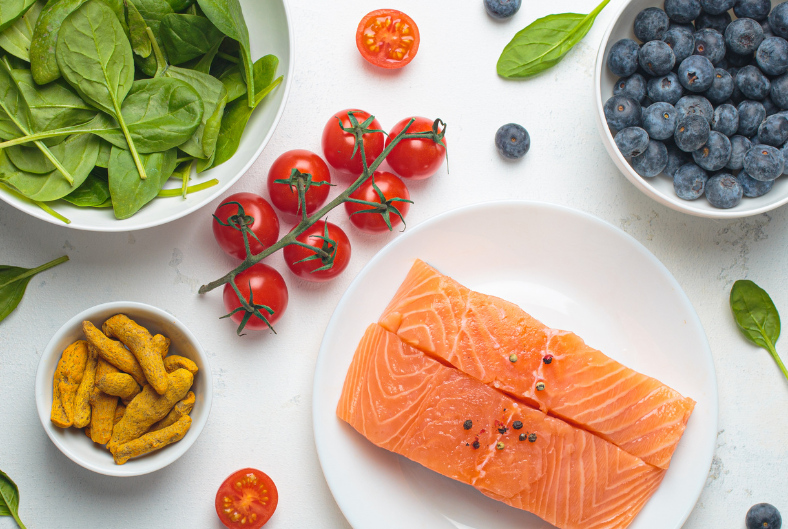
Heart disease continues to be a major concern in many parts of the world. In Philadelphia, it remains the leading cause of death as of 2026. Nearly 1 in 3 adults live with high blood pressure, and many people also face diabetes and other long-term health issues. These conditions are often linked to long-term inflammation in the body. This is why an anti-inflammatory diet is now strongly recommended to support cardiovascular health and lower risk.
Experts say that a heart-healthy diet is not about one single food but about overall eating habits. Choosing whole foods, adding fiber-rich meals, and reducing processed items can help reduce inflammation. A simple inflammation diet that focuses on natural and fresh ingredients can improve your energy, protect your heart, and support long-term health.
Why Inflammation Affects Your Heart More Than You Think
Inflammation is your body’s natural response to injury or stress. However, when it stays for a long time, it can harm your heart. A poor diet, stress, and lack of movement can increase this risk.
An anti-inflammatory diet helps reduce inflammation by giving your body the right nutrients. This supports better cardiovascular health and lowers the chances of heart problems. Following a proper heart diet plan also helps manage weight and improve blood flow. When you focus on healthy eating, your body starts healing naturally.
Building a Diet That Supports Your Heart Every Day
Creating a strong diet for the heart begins with simple food choices. Add more fruits, vegetables, and grains to your meals. These are rich in fiber and help improve digestion.
Anti-inflammatory foods like berries, leafy greens, and nuts are very helpful. They protect your heart and improve inflammation control. Including omega-3 foods such as seeds and fish also supports your heart. These foods contain healthy fats that help keep your blood vessels clear and flexible.
A balanced diet that includes all food groups in the right amount helps your body stay strong. Clean eating habits, like choosing fresh meals over packaged ones, make a big difference. Over time, these changes support better cholesterol control and overall health.
Foods That Help Reduce Inflammation Naturally
Certain foods are known for their healing properties. These include fruits, vegetables, and whole grains. A low inflammation diet focuses on these natural options.
Whole foods are less processed and keep their nutrients intact. A plant-based diet also plays an important role in reducing health risks. It includes beans, lentils, and seeds that support your heart.
By choosing anti-inflammatory foods regularly, you can improve your energy and protect your body. A heart-healthy diet that includes omega-3 foods and healthy fats helps maintain balance and supports long-term cardiovascular health.
Habits That Make Your Diet More Effective
Food choices alone are not enough. Your daily habits also matter. Staying active, drinking enough water, and getting good sleep all support your diet.
Healthy eating becomes easier when you plan your meals. A proper heart diet plan helps you stay consistent. Clean eating habits reduce the intake of harmful ingredients. These steps improve inflammation control and help reduce inflammation over time.
A balanced diet also supports better digestion and energy levels. When your body feels better, it becomes easier to maintain a diet for the heart and stay on track.
Long-Term Benefits of an Anti-Inflammatory Lifestyle
Following an anti-inflammatory diet is not just about short-term results. It helps protect your body in the long run. It supports better cardiovascular health and reduces the risk of serious conditions.
A heart-healthy diet improves cholesterol control and keeps your blood vessels healthy. Anti-inflammatory foods help your body fight damage and recover faster. Including omega-3 foods and healthy fats supports brain and heart function.
A low-inflammation diet also improves your daily energy and mood. Whole foods and a plant-based diet help your body stay balanced. Over time, these habits create a strong foundation for lifelong health.
Simple Diet Changes That Create Big Results
- Focus on adding more natural foods daily
Choosing whole foods is one of the easiest ways to improve your health. Fresh fruits, vegetables, and grains are rich in nutrients that support your body. An anti-inflammatory diet built around these foods helps reduce inflammation naturally. A heart-healthy diet becomes easier when you avoid processed meals. This approach supports cardiovascular health and improves digestion. Including anti-inflammatory foods regularly also strengthens your immune system. A balanced diet filled with natural options helps maintain steady energy levels. Clean eating habits make it easier to follow a long-term diet for the heart. - Replace unhealthy fats with better choices
Switching to healthy fats can improve your heart health quickly. Use oils from natural sources instead of butter. Omega-3 foods like seeds and nuts support better inflammation control. A low inflammation diet focuses on replacing harmful fats with better ones. This helps reduce inflammation and supports cholesterol control. A proper heart diet plan includes these smart changes. Over time, these habits improve cardiovascular health and make your meals more nourishing. Healthy eating becomes more enjoyable when you make simple swaps. - Add more plant-based meals to your routine
A plant-based diet is a powerful way to support your body. It includes beans, lentils, and vegetables that are rich in nutrients. These foods help reduce inflammation and improve digestion. A balanced diet with plant-based options supports better cardiovascular health. Whole foods in this diet provide natural fiber and energy. Following an anti-inflammatory diet with plant-based meals also helps maintain weight. Clean eating habits become easier when meals are simple and fresh. This approach supports long-term heart health and overall wellness. - Stay consistent with your eating habits
Consistency is key to maintaining good health. A heart-healthy diet works best when followed daily. Healthy eating habits should become part of your routine. A proper heart diet plan helps you stay on track. Anti-inflammatory foods should be included in regular meals. This supports inflammation control and helps reduce inflammation over time. A balanced diet ensures your body gets all nutrients it needs. Clean eating also improves digestion and energy. Staying consistent leads to lasting results. - Avoid foods that increase inflammation
Certain foods can harm your body if eaten often. Processed snacks, sugary drinks, and refined grains can increase inflammation. A low inflammation diet helps you avoid these items. Choosing whole foods instead improves your health. A plant-based diet also reduces the intake of harmful ingredients. This supports better cardiovascular health and cholesterol control. Following an anti-inflammatory diet helps your body stay balanced. Healthy eating habits protect your heart and improve your overall well-being.
A word from the Doctor —
An anti-inflammatory diet is one of the simplest ways to take care of your heart. By choosing natural foods, staying consistent, and making small changes, you can reduce risks and feel better every day. A strong focus on healthy habits can lead to long-term benefits and a healthier life.
So, get started by contacting us right away.
FAQs
Q1. What is an anti-inflammatory diet?
A1. It is a way of eating that includes natural foods to reduce inflammation and support overall health.
Q2. How does a heart-healthy diet help?
A2. It supports cardiovascular health by improving blood flow and reducing harmful cholesterol levels.
Q3. What foods help reduce inflammation?
A3. Fruits, vegetables, whole grains, and omega-3 foods are known to help reduce inflammation.
Q4. Can diet alone improve heart health?
A4. Diet plays a big role, but combining it with exercise and good habits gives better results.
Q5. Is a plant-based diet good for the heart?
A5. Yes, it supports heart health by providing fiber and nutrients while lowering harmful fats.