
Your heart beats all day and night without a break. It works quietly but powerfully to keep you alive. What helps it stay strong? Along with exercise and a good diet, your body also needs certain minerals. These minerals magnesium, potassium, and sodium play a big role in how well your heart works.
These are not just words on a nutrition label. They are heart-healthy minerals that help manage blood flow, support your heartbeat, and even keep blood pressure in check. Let’s talk about how each of these minerals affects your cardiac health, and why nutrient balance matters more than you may think.
Magnesium for Heart Health: A Silent Protector
Magnesium for heart health is often overlooked, but it’s one of the most important nutrients your heart needs. It helps control your heart rhythm, supports relaxed blood vessels, and contributes to smooth blood flow. When magnesium levels are too low, you might feel tired, weak, or even experience irregular heartbeats.
This mineral also plays a role in managing electrolyte balance, helping other minerals like potassium and sodium do their jobs correctly. Low magnesium levels may even increase the risk of hypertension, especially if your diet lacks other mineral support.
If you often feel tired or have muscle cramps, your magnesium levels might need a check. Eating foods like leafy greens, nuts, seeds, and whole grains can help restore that mineral balance naturally.
Potassium and Cardiovascular Health: A Balancing Act
Potassium and cardiovascular health are deeply connected. Potassium is a natural helper that keeps your blood pressure stable by reducing the effects of sodium. It allows your heart to beat steadily and helps in preventing heart strain.
Low potassium levels can lead to irregular heart rhythm, weakness, and even trouble thinking clearly. A well-balanced diet rich in fruits like bananas, oranges, and potatoes can support potassium levels and keep your heart function running well.
Doctors often talk about the importance of electrolyte balance, and potassium is key in that. If your potassium levels are off, the entire system struggles, leading to poor vascular health and less efficient blood flow.
Sodium and Blood Pressure: The Delicate Connection
We all need sodium, but how much is too much? When people talk about sodium and blood pressure, the message is usually simple: too much salt can raise your risk of hypertension.
That’s because too much sodium can make your body hold onto water. This extra fluid increases pressure in your blood vessels, putting more stress on your heart. For good cardiac health, keeping your sodium intake under control is essential.
But sodium is not bad on its own. It’s needed for nerve signals and muscle movement. The key is sodium balance. Too little is a problem, but too much can lead to long-term issues. Eating less processed food and avoiding salty snacks can help keep your sodium intake in a safe range.
Why Mineral Balance Matters More Than You Think
Each of these minerals magnesium, potassium, and sodium works together. If one is out of balance, the others can’t work properly either. That’s why mineral balance is so important for your overall cardiac health.
Think of it like a team. If magnesium is low, potassium might not work well. If sodium is too high, potassium can’t do its job. If all three are balanced, your heart, veins, and arteries work smoothly, supporting proper blood flow and heart function.
This perfect mix is often called electrolyte balance. It keeps your muscles working, your nerves firing, and your heart beating just right. If you’re feeling off, maybe tired, dizzy, or anxious, it could be your body’s way of saying your nutrient balance needs attention.
Foods That Support Heart-Healthy Minerals
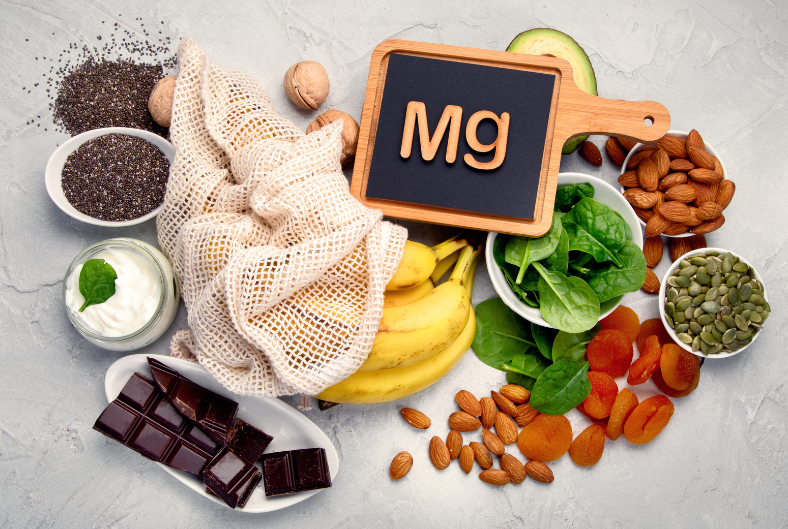
The best way to support mineral balance is by eating whole, fresh foods. For magnesium for heart health, focus on foods like spinach, almonds, avocados, and dark chocolate.
To boost potassium and cardiovascular health, include bananas, sweet potatoes, lentils, and yogurt. These foods support steady potassium levels and help protect against hypertension.
When it comes to sodium and blood pressure, the key is to limit your sodium intake from packaged and processed items. Choose low-salt options and add flavor with herbs and spices instead.
By choosing the right foods, you give your body the mineral support it needs for strong vascular health and proper heart rhythm.
Simple Signs Your Body Needs Better Nutrient Balance
Sometimes your body gives small signs that something is not right. If you often feel muscle cramps, fatigue, dizziness, or irregular heartbeats, these might be signs of poor electrolyte balance.
Checking your magnesium levels, potassium levels, and sodium balance through a health check can help spot issues early. With simple changes to your eating habits, you can fix the problem and improve your overall cardiac health.
Remember, it’s not just about avoiding salt or taking supplements. It’s about smart choices, one meal at a time, to support better heart function and long-term wellness.
A word from the Doctor —
Your heart never rests, and it deserves your care every day. By keeping the right nutrient balance of magnesium, potassium, and sodium, you help your heart do its job with ease. These are not just minerals, they are life-supporting tools that affect every beat, every breath, and every moment.
When magnesium for heart health, potassium and cardiovascular health, and sodium and blood pressure are all in check, your heart gets the mineral support it needs. It’s all about balance, simple, natural, and powerful.
Let Suave Concierge be your partner in lifelong care.
FAQs
- Why is magnesium for heart health important?
Magnesium helps your heart beat normally and supports healthy blood flow and vessel function. - How does potassium affect cardiovascular health?
Potassium helps lower blood pressure and supports proper heart rhythm and function. - What is the link between sodium and blood pressure?
Too much sodium can raise blood pressure, leading to hypertension and heart strain. - What is electrolyte balance and why does it matter?
Electrolyte balance means having the right levels of key minerals to keep your heart, muscles, and nerves working properly. - How can I improve my mineral balance naturally?
Eat fresh fruits, vegetables, whole grains, and avoid processed, salty foods to support heart-healthy minerals.