
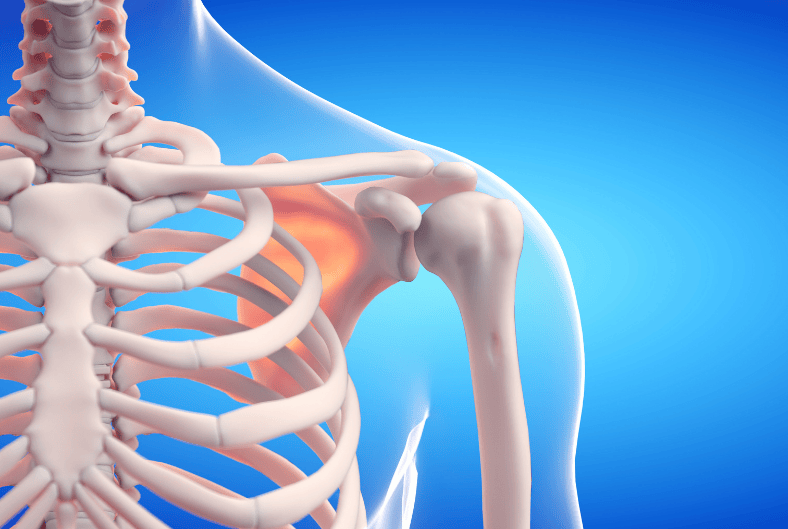
Most people think of bones and the heart as two completely separate parts of the body. Bones help us stand, move and stay strong. The heart keeps our blood flowing and our body alive. But new research shows that bone density, movement and the health of our heart are closely connected. When bone density becomes weak or mobility decreases, the heart often feels the impact too. This connection affects people of all ages, which makes it important to understand how simple daily habits can protect both our bones and our heart.
Many people worry about heart disease only when they grow older. Yet the early signs start much earlier. Good cardiovascular health can be supported when the body moves easily, stays active and maintains strong bones. If we ignore these areas, problems like Bone density loss, poor balance and even risk of a Heart attack can become more likely. The bonds between our skeleton and our heart need more attention than we realize.
How Strong Bones Support A Strong Heart
Healthy bones help us stay active. When we walk, stretch, climb stairs or carry things, our heart works in a balanced and comfortable way. Studies show that people with good bone density have better stamina and are more likely to stay active. This activity supports heart health naturally and reduces the chances of heart disease. When someone stays active in simple ways, the entire body benefits without extra effort.
On the other hand, when Bone density loss becomes severe, people tend to move less. They may fear falling or hurting themselves. Reduced movement slowly affects cardiovascular health because the heart does not get enough regular activity. Mobility matters because even gentle movements help the heart pump better and support healthy blood flow. When mobility is restricted for a long time, problems like weak muscles, slow circulation and a higher risk of a Heart attack can follow.
The Deeper Link Between Weak Bones And The Heart
There is growing awareness of the Osteoporosis heart link. Osteoporosis makes bones weak and fragile, but it also affects the body from the inside. Many experts believe that the same changes that weaken bones can also influence the heart and blood vessels. This means that people living with osteoporosis may have higher chances of heart disease if they do not take proper care.
Bone density loss can also cause long term stress on the body. This stress increases inflammation and reduces the body’s natural balance. These hidden pressures can quietly affect cardiovascular health. By protecting our bones, we also create a healthier environment for the heart to function.
Why Bone Density Screening Matters Early
Regular Bone density screening is important for both young and older adults. It helps people understand their bone strength early, before major problems appear. Bone density screening is not just for those who already have pain or weakness. Early checks help prevent Bone density loss in the future and also offer indirect support to heart health. A person who understands their bone health is more likely to exercise, eat well and stay active.
Mobility, Flexibility And Heart Support
Good mobility keeps the heart strong because movement improves blood flow. Even small daily movements can make a difference. When the joints move easily and muscles stay flexible, the heart works with less strain. People with good mobility usually have better cardiovascular health because they stay active without forcing their bodies. Mobility helps maintain balance, strength and confidence in daily routines.
Weak mobility makes simple tasks tiring. This tiredness can affect heart health because the heart must work harder during basic movements. Limited mobility also reduces motivation to stay active. This slowed lifestyle affects the heart in the long run because the body depends on steady movement to stay healthy.
The Emotional Impact Of Poor Bone Health On The Heart
Poor bone strength can cause fear, stress and anxiety. Stress affects heart health because it raises blood pressure and increases the strain on the heart. When someone worries about falling or breaking a bone, they often avoid activities they once enjoyed. This emotional pressure slowly harms cardiovascular health. Protecting bones is not only a physical act but also an emotional support for the heart.
Key Insights That Show How Bones And The Heart Work Together
Below are important explanations that help connect bone strength, mobility and the heart. Each point offers simple clarity and emotional understanding to guide better health choices.
- Strong bones help maintain daily activity levels. When a person can walk without discomfort, carry objects with ease or climb steps without fear, their heart benefits from the steady movement. Regular activity is one of the most natural ways to support heart health. Without strong bones, movement slows down, which reduces the heart’s ability to stay active in a healthy way. This slowdown can increase the chances of heart disease and decrease overall energy. Strong bone support encourages confidence, balance and long term stability for both body and heart.
- Weak bones reduce physical independence. When Bone density loss occurs, even simple tasks become more challenging. This difficulty causes many people to avoid movement because they fear pain or injury. The less a person moves, the more their cardiovascular health is affected. A lack of movement slowly weakens muscles and reduces blood circulation. Over time this may raise the chances of heart disease. Protecting bones protects independence and encourages heart friendly habits.
- Early Bone density screening offers powerful guidance. It helps people understand their bone strength at an early stage. With this knowledge they can support their bones through diet, gentle activity and healthy routines. Additionally this awareness improves heart health because people who monitor their Bone density are more likely to care about their overall wellbeing. Strong personal awareness helps prevent problems that can lead to stress, lowered mobility and possible risk of a heart attack in the future.
- The Osteoporosis heart link shows how the body works as a whole. When bones weaken, the body’s internal balance changes. These changes can affect blood vessels and heart function. By caring for bone density and preventing osteoporosis, people can also lower their chances of heart disease. This connection highlights how important it is to care for every part of the body instead of focusing on only one area. Caring for bones supports the heart, and caring for the heart supports the entire body.
A word from the Doctor —
Bone density, mobility and heart health are closely connected. Each one supports the other and helps the body stay active, balanced and strong. Problems like Bone density loss, low mobility and the risk of heart disease become easier to prevent when people understand this relationship. Taking small steps each day can support healthy bones and a healthy heart at the same time. Simple choices lead to a more active life and reduce the chances of a heart attack in the future. When the bones stay strong, the heart stays supported.
So, get started by contacting us right away.
Frequently Asked Questions
Q1. How does Bone density affect heart health?
A1. Bone density influences how active a person can be. Good movement supports cardiovascular health, while weak bones reduce activity and increase risks linked to heart disease.
Q2. What is the Osteoporosis heart link?
A2. It is the connection between osteoporosis and heart problems. When bones weaken, changes in the body can also affect the heart and raise the risk of heart disease.
Q3. Why is Bone density screening important?
A3. Bone density screening helps detect early Bone density loss so people can take steps that support both their bones and heart health before problems become serious.
Q4. Can poor mobility lead to heart problems?
A4. Yes. When mobility decreases, physical activity drops. This can affect cardiovascular health and increase the chances of a heart attack.
Q5. How can I support both my bones and my heart at the same time?
A5. Regular movement, a balanced diet, early checks and daily healthy habits help both bone strength and heart health in a simple and natural way.