
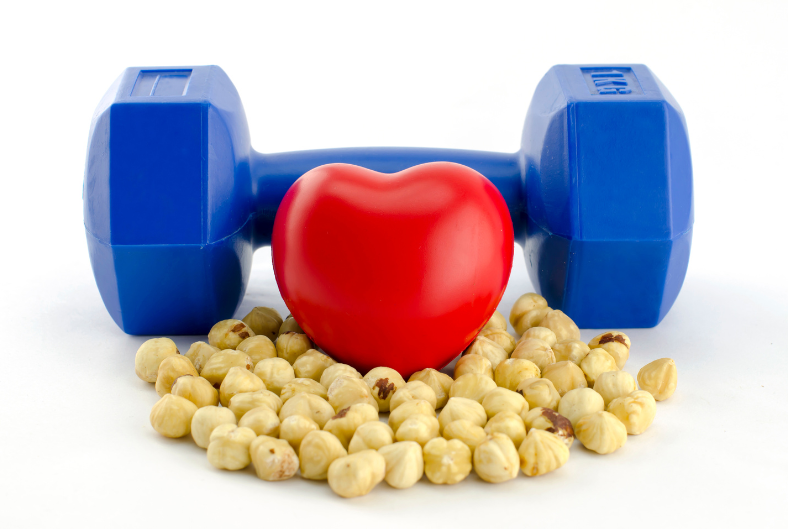
Nuts and seeds have been part of family kitchens for generations. Today, many people talk about nuts and heart health and how small food choices can protect the heart over time. In the same way, seeds and heart health are closely connected because seeds offer gentle support to the body without harsh effects. Adding nuts for heart care does not mean eating large bowls every day. It means choosing wisely and enjoying them in the right amount.
A simple rule followed by experts is to enjoy one small handful each day. This supports the daily intake of nuts without adding extra strain on the body. Research shows that eating about 28 to 30 grams daily helps lower risk of heart disease and supports overall wellness. This amount also helps manage weight because nuts and seeds make you feel full for longer.
When eaten instead of fried snacks or sweets, healthy nuts and heart friendly seeds can support blood pressure, reduce swelling inside the body, and keep energy steady. The key is balance, not excess.
Why Nuts and Seeds Love Your Heart
Nuts and seeds are rich in natural fats that help clean the blood. Many doctors talk about nuts cholesterol benefits because they help lower bad cholesterol levels. In the same way, seeds cholesterol support comes from fiber that gently removes waste from the body. This is why nuts for cholesterol control and seeds for cholesterol are often suggested in simple heart friendly diets.
People often ask if these foods suit older adults. The answer is yes. Nuts for heart patients are helpful when eaten plain and unsalted. Many caregivers also suggest nuts good for heart patients because they are easy to eat and give steady strength.
How Much Is Enough Without Going Too Far
People often wonder how many nuts per day are safe. The answer is simple. One small handful or about one to two tablespoons is enough. The same applies when asking how many seeds per day should be eaten. More than this may add extra calories, even though the fats are healthy.
Studies show that benefits rise up to about 15 to 20 grams daily and level off after that. Eating more does not add much extra protection. This makes portion control important for long term comfort and health.
Choosing the Right Nuts and Seeds for Daily Use
Not all nuts and seeds are equal, but many are helpful. Best nuts for heart health include walnuts, almonds, and pistachios because they support gentle blood flow. Best seeds for heart health include flaxseeds, pumpkin seeds, and sunflower seeds.
Variety matters because each type gives different nutrients. Rotating choices keeps meals enjoyable and balanced. Remember that heart healthy seeds and healthy nuts work best when raw or lightly roasted without salt.
One Simple Habit That Makes a Big Difference
Building a routine around nuts and heart health is easier than people think. Adding a spoon to breakfast or mixing into meals works well. The same habit supports seeds and heart health without needing major diet changes. Many families find that nuts for heart support fit naturally into daily life.
A Gentle Warning About Overeating
Even though nuts and seeds are natural, they are rich in energy. Large servings every day may lead to weight gain. Watching the daily intake of nuts keeps benefits strong without unwanted effects. People with kidney issues or high blood pressure should ask a health expert before increasing portions.
Common Mistakes to Avoid
Salted and sweetened versions can reduce benefits. Added sugar and oil change how nuts cholesterol and seeds cholesterol work in the body. Plain choices are always better.
Practical Tips for Safe and Smart Eating
- Eating nuts and seeds slowly helps the body feel full and satisfied. This habit supports nuts for cholesterol control because mindful eating reduces overeating and keeps digestion calm. Taking time to chew also helps the body absorb nutrients properly. When meals are rushed, people often eat more than needed. Slow eating helps maintain the right daily intake of nuts while keeping energy balanced throughout the day.
- Mixing different types of healthy nuts and heart healthy seeds across the week prevents boredom. Each variety offers unique support to the heart and muscles. Rotating choices also ensures a wider range of vitamins and minerals. This habit makes nuts for heart patients easier to enjoy without feeling restricted. Variety keeps meals interesting and enjoyable for all age groups.
- Using nuts and seeds as replacements instead of additions is important. Swapping fried snacks with nuts for heart care keeps calorie intake steady. This approach supports weight control while still enjoying flavor. It also helps people understand how many nuts per day fit naturally into meals without excess.
- Drinking enough water while eating nuts and seeds helps fiber work better. Fiber supports seeds for cholesterol removal and smooth digestion. Water prevents discomfort and supports heart comfort. This simple habit is often overlooked but plays a quiet role in heart support.
- Storing nuts and seeds properly keeps them fresh. Airtight containers protect natural oils from damage. Fresh foods offer better support for seeds and heart health and reduce waste. Good storage also preserves taste and texture.
- Teaching children about portion sizes early builds lifelong habits. Understanding how many seeds per day are enough helps them respect food. This knowledge supports long term heart comfort without fear or confusion.
A word from the Doctor —
Nuts and seeds are small foods with big heart benefits when eaten wisely. One small handful daily is enough to support strength, comfort, and balance. Choosing plain varieties and keeping portions steady allows nuts and seeds to work gently and safely for lifelong heart care.
So, get started by contacting us right away.
Frequently Asked Questions
Q1. Are nuts safe for daily eating?
A1. Yes, when eaten in small portions, nuts support heart comfort and provide steady energy without harm.
Q2. Can seeds help reduce cholesterol levels?
A2. Yes, seeds contain fiber that gently helps remove excess cholesterol from the body.
Q3. Should older adults eat nuts every day?
A3. Yes, plain nuts are helpful for older adults when portions are kept small and regular.
Q4. Are roasted nuts healthy?
A4. Lightly roasted nuts without salt are fine, but raw options offer the most natural benefits.
Q5. Can nuts cause weight gain?
A5. Only large amounts may cause weight gain; small daily portions usually support fullness and balance.