
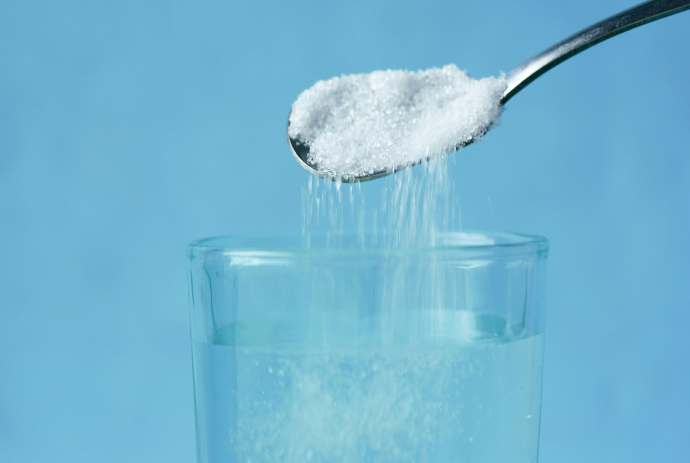
Salt makes food taste better, but too much of it can harm your body. Most people don’t realize how much salt they eat every day. Salt reduction is one of the easiest and most effective ways to protect your heart. When you reduce salt, your blood pressure stays balanced, your heart works better, and your overall energy improves. A few small changes in your eating habits can make a big difference in your long-term heart health.
Many people think only those with high blood pressure need to care about salt, but everyone benefits from sodium control. Your body does need some sodium to stay healthy, but the problem begins when daily sodium levels go beyond what the body can handle. This leads to swelling, fatigue, and heart strain over time.
Why Salt Affects Heart Health So Much
Salt, or sodium chloride, affects how your body balances water. When you eat too much salt, your body holds on to extra water to dilute the sodium. This extra fluid puts pressure on your blood vessels, raising blood pressure and making your heart work harder. Over time, this can lead to heart disease and even stroke.
Salt reduction is not about eating tasteless food. It is about making smarter choices. When you begin a low-salt diet, you help your heart pump blood more easily and reduce the risk of damage to your arteries. This one habit alone supports lifelong heart health.
Understanding Sodium Intake and Its Impact
Sodium intake refers to how much sodium you consume each day from all foods, not just table salt. Packaged and processed foods often contain hidden salt, which increases your dietary sodium levels without you noticing. Even bread, soups, and sauces can add large amounts of sodium to your daily meals.
Keeping sodium control in check helps you avoid fluid buildup in your body and prevents high blood pressure. Medical experts often recommend that adults keep their daily sodium under 2,300 milligrams, which equals about one teaspoon of salt. Reducing it even further can bring greater heart benefits.
How a Low-Salt Diet Improves Your Life
A low-salt diet not only improves heart health but also helps your body feel lighter and more energetic. When you reduce salt, you may notice less bloating, clearer skin, and better sleep. It also lowers the risk of kidney problems and strokes. People following a hypertension diet often start with a focus on sodium management because it gives visible and long-lasting results.
If you’re not sure where to start, begin with small changes. Choose fresh foods over packaged ones and try seasoning your meals with herbs instead of salt. You’ll be surprised how flavorful healthy food can taste once your taste buds adjust.
Smart and Practical Salt Reduction Strategies That Actually Work
Below are some real-life ways to manage sodium and maintain a heart-friendly diet. Each step supports long-term wellness and makes your transition easier and more enjoyable.
1. Read Food Labels Carefully
Always check sodium content on food packaging. Many everyday items like soups, sauces, and snacks contain a large amount of hidden salt. This habit increases salt awareness and helps you stay mindful of how much sodium you consume. By practicing better sodium management, you can plan your meals with care and reduce your daily sodium levels effectively. Over time, you’ll start to prefer foods that taste naturally good without extra salt.
2. Replace Salt with Flavorful Alternatives
Salt substitutes such as lemon juice, garlic, vinegar, and herbs like basil or rosemary can make your food delicious without extra sodium. These natural seasonings improve taste while supporting heart health. A low-salt diet rich in fresh herbs brings more flavor variety to your meals. This simple step helps reduce salt gradually without feeling deprived or bored with your food.
3. Prepare Meals at Home More Often
Cooking at home allows full control over your sodium intake. When you prepare meals yourself, you can easily choose salt-free foods and measure seasoning amounts carefully. Homemade meals are part of a healthy diet that aligns perfectly with a hypertension diet. Preparing your own food is not only healthier but also gives you the joy of experimenting with fresh ingredients.
4. Watch Out for “Hidden Salt”
Even foods that don’t taste salty can contain high amounts of sodium. Bread, breakfast cereals, canned beans, and salad dressings can all contribute to high dietary sodium. Increasing salt awareness will help you identify these items and make better choices. Reducing such hidden sources of sodium ensures you’re genuinely following an effective salt reduction plan for better cardiovascular health.
5. Hydrate Well Throughout the Day
Water helps your body flush out excess sodium, supporting proper sodium control. Staying hydrated reduces the strain on your heart and keeps your energy steady. Drinking enough water each day also supports other organs like your kidneys. Combine this habit with a balanced, low-salt diet to maintain ideal heart function and overall wellness.
6. Choose Fresh Foods Over Processed Ones
Processed foods are usually high in dietary sodium to enhance shelf life and taste. Instead, opt for fresh fruits, vegetables, whole grains, and lean proteins. These salt-free foods naturally help reduce salt intake and support a healthy diet. Over time, your taste buds adapt, and you start craving more natural flavors that support heart health and vitality.
7. Practice Mindful Eating
Eating slowly and paying attention to your food helps you appreciate flavors more deeply, reducing the urge to add extra salt. This mindful approach enhances your connection with food and makes salt reduction feel effortless. It also helps you control portions, balance daily sodium levels, and maintain long-term sodium management.
The Hidden Link Between Salt and Heart Problems
Too much sodium increases blood pressure, which puts stress on the heart and blood vessels. This constant pressure can lead to heart disease if ignored. Managing sodium intake is one of the simplest ways to protect your heart from these risks.
Following a hypertension diet based on salt-free foods lowers your risk of heart complications. When you reduce salt, your arteries stay flexible, and your heart doesn’t need to work as hard. It’s a small change that brings big rewards for your cardiovascular health.
A word from the Doctor —
Salt reduction is not a punishment; it’s a gift to your body and your future. With careful sodium management, balanced meals, and greater salt awareness, you can maintain better heart health for life. Start small, stay consistent, and your body will thank you in countless ways. Remember, your heart deserves kindness, and one of the kindest things you can do is to reduce salt every day.
So, get started by contacting us right away.
FAQs
- Why is salt reduction important for heart health?
Too much salt increases blood pressure, which strains the heart and raises the risk of heart disease. - What is the best way to reduce salt daily?
Cook at home, read food labels, and use herbs or spices instead of salt to flavor your meals. - How much daily sodium is safe?
Most adults should keep daily sodium under 2,300 milligrams for better sodium control. - Can I use salt substitutes safely?
Yes, salt substitutes like lemon juice or herbs are safe and add flavor without extra sodium. - Does a low-salt diet really help with hypertension?
Yes, a low-salt diet is part of a good hypertension diet that helps maintain healthy blood pressure.